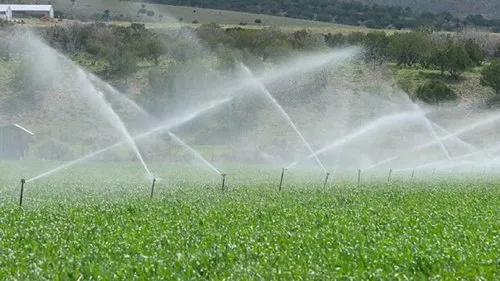
Why Go Smart in Lubbock?
Climate swings on the South Plains demand flexibility. Smart irrigation tools adapt runtimes to real‑time weather, soil, and plant needs. That means fewer dry spots, less runoff, and meaningful savings on the water bill.
- Weather‑aware schedules pause for rain and shorten on cool, cloudy days.
- Soil‑first watering keeps roots moist without drowning turf in heavy clay areas.
- Flow monitoring spots hidden leaks fast—before they become muddy surprises.
1) Weather‑Based Smart Controllers
These replace older timers and pull forecasts plus on‑site data to automatically adjust runtimes. Look for zone‑level tuning, seasonal adjustment, and cycle‑and‑soak to prevent runoff on compacted soils.
2) Soil Moisture Sensors
Installed in representative zones, these probes tell the controller when the root zone actually needs water—great for mixed sun/shade or sloped areas that dry at different rates.
3) Flow Meters & Leak Detection
Inline sensors measure gallons used per zone. Sudden spikes trigger alerts and auto‑shutoff, protecting both landscape and wallet.
4) Pressure‑Regulating Spray Bodies
Built‑in regulation keeps nozzles at optimal PSI, producing uniform droplets that resist wind drift—a common issue on breezy West Texas afternoons.
5) Rotary Nozzles & Drip Upgrades
High‑efficiency rotary nozzles apply water slowly and evenly; drip lines target roots for beds, trees, and foundation plantings while minimizing evaporation.
6) Rain & Freeze Sensors
Simple, inexpensive add‑ons that prevent irrigation during storms and cold snaps—helpful for avoiding icy sidewalks in winter fronts.
Setup Tips for Local Success
- Tune by plant type: Bermudagrass, fescue patches, shrubs, and trees each need different runtimes and frequencies.
- Cycle & soak: Split longer watering into multiple short cycles to improve infiltration on clay or compacted soils.
- Mind the wind: Schedule most spray cycles for early morning to reduce drift and evaporation.
- Audit coverage: Match nozzles to arcs, fix tilted heads, and keep spray off fences, windows, and streets.
- Seasonal changes: Reduce runtimes in spring/fall; winterize exposed backflow and lines before hard freezes.
Costs & Payback
Upgrading to a smart controller, moisture sensors, and efficient nozzles often pays back through water savings in 1–3 seasons, especially on medium‑to‑large lots. Add a flow meter if the landscape is mature or you’ve had leak issues in the past.
Need Help Dialing It In?
For design, installation, troubleshooting, or seasonal tune‑ups, explore this local Lawn Irrigation Service.
Pro tip: Ask for a zone‑by‑zone schedule printout and a quick tutorial on adjusting runtimes before summer heat waves.